Supporting People with Dementia

A full day course for health care professionals who care and support people with dementia.
Audience: This course is suitable for care assistants, senior carers, nurses, and managers working in residential, nursing, and specialist dementia settings.
Delivery Method: Face to face or virtual
Duration: Full day
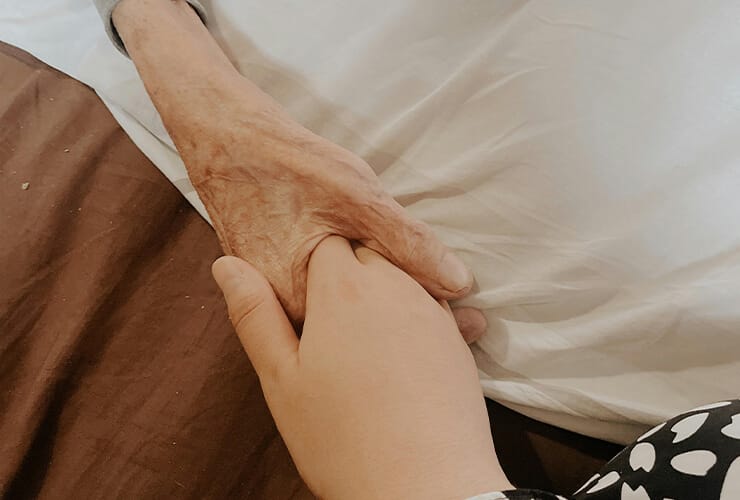
Elderly couple holding hands

Introduction

Dementia care requires more than task-based support; it demands insight, empathy, clinical awareness, and skilled communication. This course is designed to strengthen the capability and confidence of care home staff in delivering high-quality, person-centred dementia care.

Course Content

  • Key facts about dementia
  • The experience of dementia
  • Feelings associated with dementia
  • Situations that can cause distressed reactions
  • The impact of our communication on people with dementia
  • Supporting people to live well with dementia
  • Recognising strengths and working in partnership with people with dementia
  • The importance of getting to know the individual
  • Positive communication with people with dementia
  • What behaviours can challenge us?
  • Recognising triggers to behaviours that challenge
  • Addressing physical, psychological, social and environmental factors that can cause behaviours that challenge us
  • Understanding feelings communicated through challenging behaviour
  • Responding to stress and distress
  • Active listening and empathy
  • Responding to different realities

Course Outcomes

By the end of the course, participants will be able to:

  • Demonstrate a clear understanding of dementia and its impact.
  • Identify common triggers for distressed behaviour and respond appropriately.
  • Apply person-centred communication techniques confidently.
  • Promote wellbeing and reduce avoidable distress.
  • Reflect on their own practice and improve relational care skills.
  • Contribute to a dementia-friendly culture within the care home.

Course Benefits

For Staff:

  • Increased confidence in managing complex behaviours.
  • Reduced stress when supporting distressed residents.
  • Enhanced professional competence and reflective practice.
  • For Residents:
  • Improved quality of life.
  • Reduced distress and agitation.
  • Greater sense of dignity, identity, and belonging.

For the Organisation:

  • Improved care quality and CQC compliance.
  • Reduced incidents and safeguarding concerns.
  • Stronger partnership working with families.
  • Enhanced staff morale and retention.

Still have a question?

If you can’t find the answer to your question, get in touch.

Find out more

Have questions or want to learn more? Send us a message and we’ll get back to you shortly.